What is the easiest way to get a free iPhone 12?
Use a carrier switch or trade-in deal, which often makes the iPhone 12 free, or buy one refurbished for about $170–$250 and use free Lifeline service on it. Government programs rarely hand out the iPhone 12 itself.
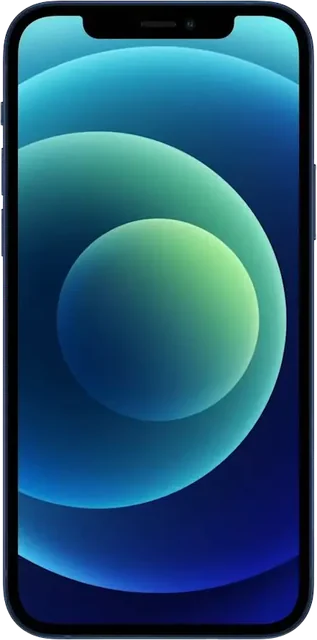
- Released 2020 · A14 Bionic · 6.1-inch OLED
- Supports 5G
- Latest software: iOS 26 (still supported)
Can you get a free iPhone 12 from the government?
Sometimes, but rarely straight from a government program. Lifeline providers seldom hand out a iPhone 12. Most people get one through a free phone when you switch deal, a trade-in, or a low-cost refurbished unit ($170–$250) paired with free Lifeline service.
It is the cheapest iPhone with 5G, which is why it shows up in free 5G phone promotions. It brought 5G, an OLED display, MagSafe and Ceramic Shield glass, and it still gets current software.
Scam check: No real program asks for a gift card, a “processing fee” to release a free iPhone, or your full Social Security number over text. Genuine Lifeline applications go through the National Verifier.
What are the key facts about iPhone 12?
- Released
- 2020
- Chip
- A14 Bionic
- Display
- 6.1-inch OLED
- 5G
- Yes
- Latest iOS
- iOS 26
- Launch price
- $799
- Typical used price
- $170–$250
- 5G
- 6.1-inch OLED
- MagSafe
- Ceramic Shield
- Dual cameras
Still supported. The iPhone 12 runs iOS 26, Apple's current software, so it gets security updates and new features.
Want a iPhone 12?
The Phone Finder matches your benefits and budget with the cheapest real route.
Best ways to get a free iPhone 12, ranked
| # | Route | What you get | Verdict |
|---|---|---|---|
| 1 | Prepaid switch deal | iPhone 12 free or near-free with a new line | Best value |
| 2 | Refurb + Lifeline SIM | $170–$250 one-time + free monthly service | No contract |
| 3 | Major carrier trade-in | Credits over 24–36 months | Needs a paid plan |
| 4 | Lifeline provider upgrade | Discounted iPhones offered in some states | Check availability |
If you receive SNAP, Medicaid or SSI, start with Lifeline. It makes your monthly service free, and you can then focus on getting the iPhone 12 itself cheaply. If you don't qualify, compare carrier deals by total 24–36 month cost, not by the word “free”.
How do you get the iPhone 12 with Lifeline?
Lifeline is a federal program, created in 1985 and run by the FCC through the Universal Service Administrative Company (USAC), that lowers the cost of phone or internet service for low-income households. The benefit is a discount of up to $9.25 per month, or up to $34.25 on qualifying Tribal lands. Many wireless providers set their Lifeline plans so the discount covers the whole bill. That is how people end up with a iPhone 12 and free monthly service.
Lifeline pays for service only. Handsets are an incentive from the provider, so what you get, from a basic Android to a discounted iPhone, depends on who you sign up with.
Lifeline providers rarely stock the iPhone 12 as their free handset, but almost all of them let you use an unlocked, compatible phone. Check that the phone is unlocked and not blacklisted before you buy it.
- Check you qualify Confirm your benefit program or income using the eligibility checker.
- Pick a provider Choose a Lifeline provider that serves your area. Compare phones, data and coverage on our provider comparison.
- Apply through the National Verifier Apply on the provider's site or at checklifeline.org. Many applications are approved automatically by database checks.
- Upload proof if asked If the automatic check can't confirm you, upload a benefit letter or income proof. See documents you need.
- Activate your phone or SIM Your phone or SIM ships in about a week. Activate it and use it at least once every 30 days so the service isn't cancelled for non-usage.
How do carrier “free iPhone 12” deals really work?
Here is how a “free” carrier iPhone works: the iPhone 12 is financed over 24 months, and the carrier credits your bill the same amount each month. The phone ends up free, but only if you keep a qualifying plan for the full term.
| Example | |
|---|---|
| Retail price | $799 |
| Term | 24 months |
| Monthly device charge | $33.29 |
| Monthly promo credit | −$33.29 |
| You pay for the phone | $0 if you stay the full term |
| If you leave after 12 months | about $399 still owed |
Before you sign, work out the full cost: (monthly plan × months) + activation fee + taxes. A “free” iPhone 12 on a $90 plan can cost more overall than buying a refurbished one outright and using a cheap prepaid plan.
Is the iPhone 12 still worth it in 2026?
What's good
- 5G
- 6.1-inch OLED
- MagSafe
- Used prices around $170–$250
Watch out for
- Battery life is average. A certified refurbished unit with a new battery is worth the small premium.
- Battery health varies on used units. Look for 85%+ or a new battery
- Accessories such as the charger are often not included
How does it compare with nearby models?
Weighing up the alternatives? These pages cover the models either side of this one:
Frequently asked questions
Is the iPhone 12 really free with a government phone program?
No. Government programs fund free service, not new iPhones. The iPhone 12 is free only through carrier promotions or charity programs.
Does the iPhone 12 support 5G?
Yes. The iPhone 12 supports 5G, so it works with free 5G government phone plans where the provider offers 5G.
Can I put my Lifeline SIM in a iPhone 12?
Usually yes, if the iPhone 12 is unlocked or locked to the same network your Lifeline provider uses. Ask the provider for a SIM kit or check compatibility on its website using the IMEI.
How much is a used iPhone 12 worth in 2026?
Refurbished iPhone 12 prices are typically around $170–$250, depending on storage, condition and battery health. Buy from sellers with at least a 90-day warranty.
What is the cheapest way to get a iPhone 12?
Buy a certified refurbished unit and use a free Lifeline plan if you qualify.
Sources & last update
Last reviewed . We check program rules against official FCC and USAC guidance and update pages when rules, income limits or offers change. Spot something out of date? Tell us.