What is the easiest way to get a free iPhone X?
Buy a refurbished iPhone X for about $70–$120 and put a free Lifeline SIM in it. Some Lifeline providers and refurbishers also offer the iPhone X free or for a small upgrade fee.
- Released 2017 · A11 Bionic · 5.8-inch OLED
- 4G LTE only (no 5G)
- Latest software: iOS 16 (updates ended)
Can you get a free iPhone X from the government?
Yes, it is realistic. The iPhone X is old enough that some Lifeline providers and refurbished sellers offer it free or for a small fee, and used units sell for about $70–$120. The easiest route is usually to bring your own phone: buy a cheap refurbished iPhone X and put a free Lifeline SIM in it.
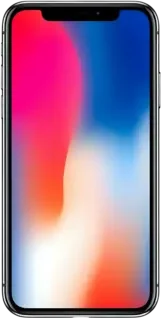
It is the first all-screen iPhone with Face ID, now sold cheaply as a refurbished phone. You get an edge-to-edge OLED screen and Face ID in a small body, which still feels modern for everyday use.
Scam check: No real program asks for a gift card, a “processing fee” to release a free iPhone, or your full Social Security number over text. Genuine Lifeline applications go through the National Verifier.
What are the key facts about iPhone X?
- Released
- 2017
- Chip
- A11 Bionic
- Display
- 5.8-inch OLED
- 5G
- No, 4G LTE
- Latest iOS
- iOS 16
- Launch price
- $999
- Typical used price
- $70–$120
- Face ID
- 5.8-inch OLED
- Dual rear cameras
- Wireless charging
- 4G LTE
Software support has ended. Software support ended at iOS 16 and many units have tired batteries. Buy from a seller that guarantees battery health.
Want a iPhone X?
The Phone Finder matches your benefits and budget with the cheapest real route.
Best ways to get a free iPhone X, ranked
| # | Route | What you get | Verdict |
|---|---|---|---|
| 1 | Lifeline + bring your own phone | Refurb iPhone X ($70–$120) + free Lifeline SIM | Best overall |
| 2 | Lifeline provider phone upgrade | Some providers offer older iPhones for a small fee | Ask before applying |
| 3 | Prepaid carrier promo | Occasionally bundled with a first month | Rare for this model |
| 4 | Charity or nonprofit | Donated phones are often older iPhones | Limited supply |
If you receive SNAP, Medicaid or SSI, start with Lifeline. It makes your monthly service free, and you can then focus on getting the iPhone X itself cheaply. If you don't qualify, compare carrier deals by total 24–36 month cost, not by the word “free”.
How do you get the iPhone X with Lifeline?
Lifeline is a federal program, created in 1985 and run by the FCC through the Universal Service Administrative Company (USAC), that lowers the cost of phone or internet service for low-income households. The benefit is a discount of up to $9.25 per month, or up to $34.25 on qualifying Tribal lands. Many wireless providers set their Lifeline plans so the discount covers the whole bill. That is how people end up with a iPhone X and free monthly service.
The program funds service, not devices. Any phone you receive is the provider's choice and usually a budget model, which is why comparing providers matters.
Lifeline providers rarely stock the iPhone X as their free handset, but almost all of them let you use an unlocked, compatible phone. Check that the phone is unlocked and not blacklisted before you buy it.
- Check you qualify Confirm your benefit program or income using the eligibility checker.
- Pick a provider Choose a Lifeline provider that serves your area. Compare phones, data and coverage on our provider comparison.
- Apply through the National Verifier Apply on the provider's site or at checklifeline.org. Many applications are approved automatically by database checks.
- Upload proof if asked If the automatic check can't confirm you, upload a benefit letter or income proof. See documents you need.
- Activate your phone or SIM Your phone or SIM ships in about a week. Activate it and use it at least once every 30 days so the service isn't cancelled for non-usage.
How do carrier “free iPhone X” deals really work?
Here is how a “free” carrier iPhone works: the iPhone X is financed over 24 months, and the carrier credits your bill the same amount each month. The phone ends up free, but only if you keep a qualifying plan for the full term.
| Example | |
|---|---|
| Retail price | $300 |
| Term | 24 months |
| Monthly device charge | $12.5 |
| Monthly promo credit | −$12.5 |
| You pay for the phone | $0 if you stay the full term |
| If you leave after 12 months | about $150 still owed |
Before you sign, work out the full cost: (monthly plan × months) + activation fee + taxes. A “free” iPhone X on a $90 plan can cost more overall than buying a refurbished one outright and using a cheap prepaid plan.
Is the iPhone X still worth it in 2026?
What's good
- Face ID
- 5.8-inch OLED
- Dual rear cameras
- Used prices around $70–$120
Watch out for
- Software support ended at iOS 16 and many units have tired batteries. Buy from a seller that guarantees battery health.
- Battery health varies on used units. Look for 85%+ or a new battery
- Accessories such as the charger are often not included
How does it compare with nearby models?
Weighing up the alternatives? These pages cover the models either side of this one:
Frequently asked questions
Is the iPhone X really free with a government phone program?
Occasionally, through Lifeline providers that stock older iPhones, but the most reliable way is a cheap refurbished iPhone X plus free Lifeline service.
Does the iPhone X support 5G?
No. The iPhone X is 4G LTE only. It still works on Lifeline plans, but you will not get 5G speeds.
Can I put my Lifeline SIM in a iPhone X?
Usually yes, if the iPhone X is unlocked or locked to the same network your Lifeline provider uses. Ask the provider for a SIM kit or check compatibility on its website using the IMEI.
How much is a used iPhone X worth in 2026?
Refurbished iPhone X prices are typically around $70–$120, depending on storage, condition and battery health. Buy from sellers with at least a 90-day warranty.
What is the cheapest way to get a iPhone X?
Buy a certified refurbished unit and use a free Lifeline plan if you qualify.
Sources & last update
Last reviewed . We check program rules against official FCC and USAC guidance and update pages when rules, income limits or offers change. Spot something out of date? Tell us.